

50% Of Net Profits Given to Charity

Sustainability

3 Pillars of Sustainability

Product Initiatives

Built to Last. Designed for Efficiency.


From smart electronics to high-performance lighting, our products are built to operate consistently in both residential and professional environments. We focus on durability at every level—components, housing, and internal systems—to ensure dependable use over time.

Extended product lifecycles reduce electronic waste
Designed for continuous or high-frequency usage
Advanced thermal management to preserve performance and longevity
Fewer replacements = less material consumption and environmental strain

For lighting specifically, long-life LED technology significantly reduces maintenance needs and material turnover compared to traditional alternatives.

Packaging Initiatives

Less Packaging. More Purpose.

Less Packaging. More Purpose.
We evaluate every layer of packaging to remove excess and improve efficiency without compromising protection. This approach reduces resource consumption and lowers the environmental footprint across shipping and storage.

Optimized packaging sizes to reduce unused space
Elimination of unnecessary inserts, fillers, and plastic blisters
Lightweight designs that reduce transportation emissions
Streamlined packaging structures for improved efficiency

For lighting and electronics, where protective packaging is critical, we balance durability with material reduction to achieve both safety and sustainability.

Optimized Manufacturing & Logistics

Efficiency That Reduces Impact

Efficiency That Reduces Impact
Streamlined operations are key to minimizing environmental footprint. We continuously optimize manufacturing processes and logistics networks to reduce waste, energy use, and emissions—without compromising product integrity.

Consolidated shipping to reduce transportation emissions
Energy-conscious manufacturing processes
Strategic distribution networks to shorten transit distances
Data-driven forecasting to minimize waste

Sustainability At Jasco

Read More

Cardboard Waste

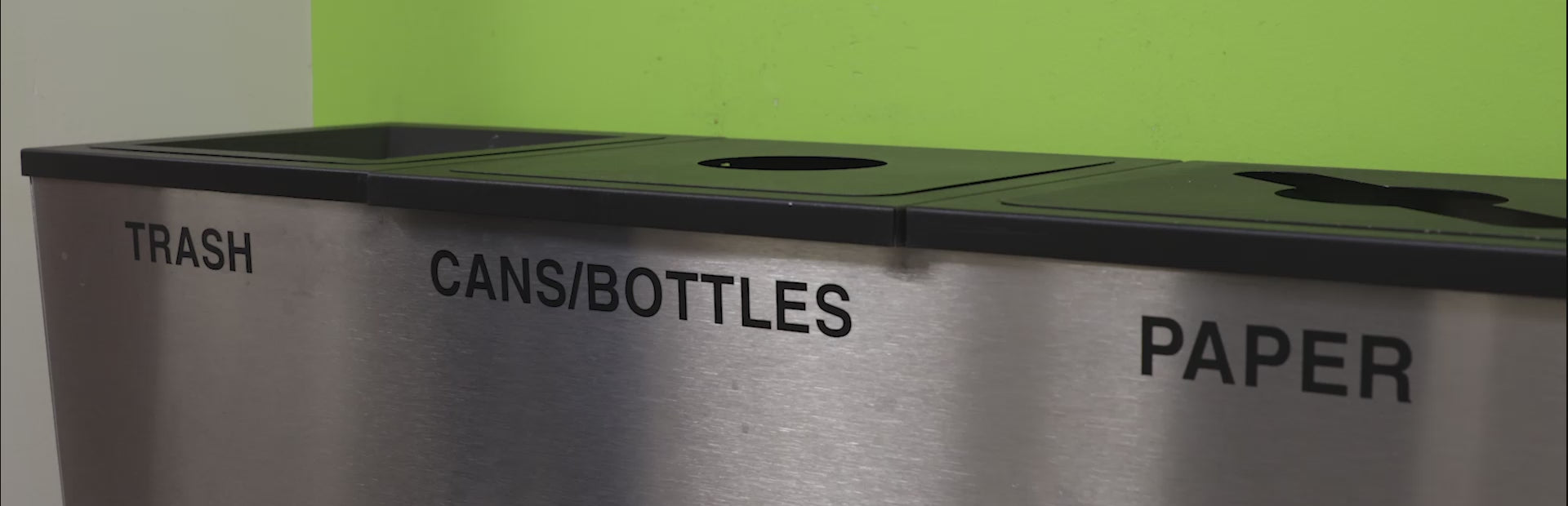
Every year, the Jasco distribution center recycles hundreds of tons of cardboard. In 2017, for example, our total exceeded 400 metric tons – the equivalent of emissions by 84.9 passenger vehicles driven for one year! Considering the scale of our operations, our success in recycling the vast majority of our cardboard waste represents a turning point in our push toward greater sustainability.

Did you know?

  • One ton of recycled cardboard saves up to 17 mature trees.

Recycled Materials

Sustainability is cyclical. Besides recycling our own paper waste, we also strive to use recycled materials in our daily operations. Our boxed packaging consists of a minimum of 25% postconsumer waste, and all instruction manuals and inserts use at least 50% recycled material, while plastic contents increasingly use nontoxic and 100% recyclable PET. We also strive to work with suppliers who follow similar practices.

Did you know?

  • Producing recycled paper requires about 60% of the energy used to make paper from virgin wood pulp.

LED Lighting

LEDs are lighting the way to a more economically and environmentally responsible future. As a company whose product lineup heavily features LED lighting products, Jasco is certainly no exception. We have initiated the process of converting all of our lighting to LED, with the transition already complete in several parts of our campus. 

We also rely on fluorescent lights, which, like LEDs, save time and money in comparison to traditional incandescent bulbs. LED and fluorescent lighting systems throughout our facilities are using up to 75% less than traditional incandescent lights.

Did you know?

  • An LED's lifetime can easily exceed 50,000 hours, with newer models reaching 100,000 hours. (Compare to 1,000 hours for incandescent.)
  • At least 95% of an LED is recyclable. The Department of Energy estimates that widespread residential and commercial adoption of LEDs in the next 20 years will save about $265 billion.

Geothermal Energy

The process of geothermal conversion taps into energy from deep underground to provide heat in the colder months. Considered a renewable resource, geothermal heating uses water or steam that can be pumped back into the ground. 

Since harnessing this power for buildings, we have managed to cut our energy usage in half, effectively reducing our carbon footprint by at least 40%!

Did you know?

  • Geothermal energy produces 0.03% of the emissions that coal produces and 0.05% of the emissions that natural gas uses.
  • For every 328 feet you go below ground, the temperature increases by 5.4 degrees Farenheight.